The Definitive Guide to Deck Maintenance: Maintain Your Investment in Prime Condition
Maintaining a deck is crucial for maintaining its aesthetics and performance. Routine maintenance can avoid major deterioration and expensive fixes. Residents often overlook minor issues that, if handled quickly, can boost the total value of their real estate. This article offers important information on cleaning, inspections, and choosing the right sealants. Understanding the unique needs of different materials is fundamental. What precise actions are necessary to keep a deck in top-notch condition?
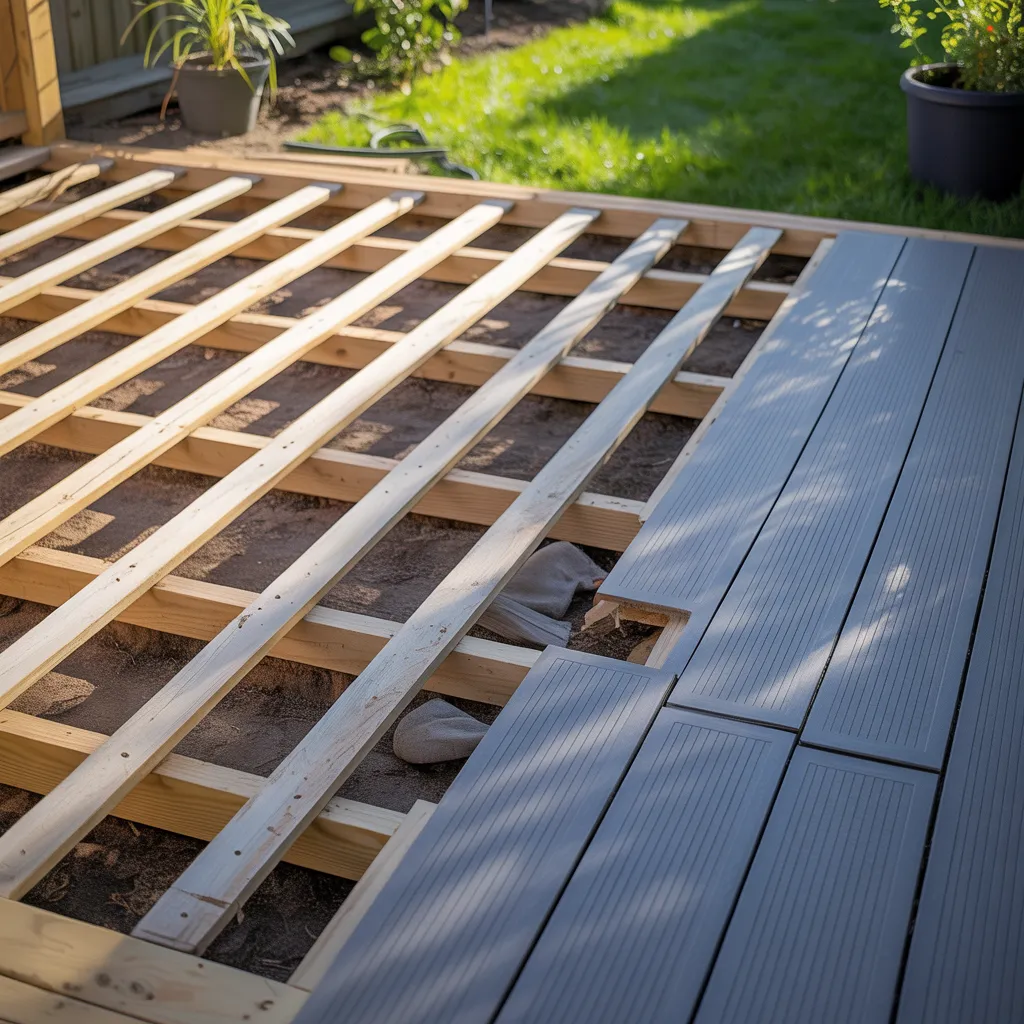
Essential Deck Maintenance: Why It Matters and How to Get Started
When homeowners fail to maintain their decks, they risk significant deterioration that can lead to costly repairs. Consistent maintenance is necessary to extend the life of a deck and preserve its visual appeal. Over time, exposure to the elements can cause wood to warp, rot, or develop mold, compromising structural integrity. Moreover, overlooking minor damage without prompt attention can grow into substantial issues that demand comprehensive repairs or complete deck replacement.
To begin, homeowners ought to create a routine maintenance schedule that involves examining the deck for signs of wear and damage. Easy measures, such as removing debris and inspecting for loose boards, can avoid more significant problems. Utilizing protective coatings and sealants can also strengthen resilience against the elements. By prioritizing deck maintenance, homeowners not only preserve their investment but also develop an appealing outdoor setting for family and friends to enjoy.
Deck Cleaning Made Easy: A Step-by-Step Guide
Thoroughly cleaning the content deck is vital for its maintenance and long-term durability. To start, all furniture and debris should be removed from the area, ensuring easy access to every surface. Afterward, using a broom or blower is recommended to eliminate leaves, dirt, and accumulated dust. Subsequently, a solution of warm water and an appropriate deck cleaning product should be used, whether applied by hand or with a pressure washer on a low setting to prevent any damage.
Scrubbing with a stiff-bristled brush helps to lift persistent dirt and stains. Following a thorough scrub, it is important to flush the deck with clean water to clear away any leftover cleaning solution. For best results, the deck needs to dry thoroughly. This process not only enhances the deck's appearance but also prepares it for any necessary treatments in the future, keeping the wood safeguarded and attractive.
Deck Maintenance: Choosing the Right Sealant
Following a thorough deck cleaning, picking the correct sealant becomes a key consideration in maintaining its integrity and appearance. Various types of sealants are available, including film-forming, penetrating, and surface alternatives. Penetrating sealants soak into the wood, providing deep protection against moisture, while surface sealants create a protective layer that guards against UV damage and wear.
When picking a sealant, elements such as climate, wood type, and preferred finish should be evaluated. As an example, softer woods may require a more adaptable sealant to handle expansion and contraction. Furthermore, the durability and upkeep needs of each sealant type can influence the decision. Some sealants need reapplication every few years, but others deliver more durable protection. At the end of the day, selecting the right sealant not only enhances the visual appeal of the deck but also extends its lifespan, making sure the investment continues to pay off for years ahead.
Recognizing and Resolving Common Deck Issues
Those who own decks commonly experience a variety of recurring issues that can compromise both safety and aesthetics. A common problem is wood decay, which results from long-term moisture infiltration. Identifying soft spots during inspections can help address this early; substituting deteriorated wood is necessary to copyright the deck's structural soundness.
A frequent issue involves squeaky or unstable boards, commonly stemming from regular use over time. Securing screws or swapping out fasteners can resolve these issues, boosting comfort and overall safety. Furthermore, splinters and cracks may form with age, presenting a danger to occupants. Smoothing rough patches and using an appropriate sealant can minimize the likelihood of injury.
In addition, mold and mildew development can detract from a deck's aesthetic appeal. Regular cleaning with appropriate solutions will maintain pristine surfaces. By actively detecting and resolving these problems, property owners can secure the lasting appeal and functionality of their outdoor spaces.
Key Considerations for Seasonal Deck Maintenance
Seasonal deck upkeep requires close consideration to protect against weather-induced deterioration and to copyright the deck's overall condition. Developing a structured cleaning and sealing plan is critical for preserving the surface and maximizing its longevity. By taking these elements into account, homeowners can guarantee their decks remain safe and visually appealing throughout the year.
Preventing Weather-Related Damage
As climate conditions change across the seasons, homeowners must prioritize preventive measures to shield their decks from various forms of damage. Throughout winter, accumulated snow and ice may cause moisture-related concerns, which means effective drainage and regular snow removal are critical. Throughout spring, substantial rainfall may result in wood swelling or warping; consequently, ensuring gutters are clear helps direct water away. Intense summer sunlight can cause surface fading and cracking, which makes it sensible to explore shading solutions including umbrellas or canopies. Throughout autumn, leaves that collect on the deck can hold moisture and promote mold formation; consistent maintenance and cleaning are critically important. By proactively managing these seasonal concerns, property owners can significantly prolong their deck's durability while preserving its visual appeal.
Cleaning and Sealing Schedule
Keeping a deck in good shape requires more than just guarding against weather-related deterioration; consistent cleaning and sealing form the foundation of a thorough maintenance approach. Changes in season make a regular cleaning schedule necessary to clear away dirt, mold, and mildew that can damage the deck's surface. Typically, thorough cleaning should occur in spring and fall, utilizing a gentle cleanser and a power washer for best results.
In addition to cleaning sealant protects the wood from moisture and sun damage. A sealing application is generally recommended every two to three years, depending on the deck's exposure to the elements. Homeowners are encouraged to assess the deck's condition; indications of wear may require more regular sealing. By sticking to this routine, the deck's lifespan and appearance can be significantly improved.
Maintaining Your Deck: Key Distinctions Between Wood and Composite
Understanding the essential variations between wood and composite decking is crucial for successful care and durability. Wood decking, although visually appealing, requires consistent maintenance, including staining and sealing to protect against water and ultraviolet damage. Over time, wood can splinter and warp, necessitating replacements or repairs.
In contrast, composite decking is crafted from a blend of wood fibers and plastic, offering improved resistance to pests and weather. This material doesn't require staining or sealing, considerably cutting down on maintenance efforts. Nevertheless, it could still benefit from periodic cleaning to inhibit mold and mildew buildup.
Whereas wood can be sanded to fix imperfections, composite decking cannot be refinished in the same manner. Each type has unique maintenance needs, making it crucial for homeowners to recognize these differences to make certain their deck maintains its best condition for years to come.
Five Important Tips to Increase Your Deck's Lifespan
Long-term performance is a major priority for any deck owner, as a thoroughly maintained deck not only improves outdoor living but also protects the investment made in it. To prolong a deck's lifespan, regular cleaning is essential; clearing away dirt, debris, and mold helps prevent decay. Moreover, adding a coat of sealant or stain periodically provides a protective barrier against harsh moisture and damaging UV rays.
Inspecting the deck regularly for indications of deterioration, such as loose boards or rusted hardware, allows for timely repairs, avoiding further deterioration. It is also advisable to remove plants and furniture from the deck's surface to avoid moisture retention, which can lead to rot. Finally, implementing appropriate drainage systems ensures that water does not accumulate, safeguarding the underlying structure. By applying these five key guidelines, homeowners can significantly prolong the lifespan of their outdoor investment.
Frequently Asked Questions
How Frequently Should I Check My Deck for Damage?
Decks need to be checked at least twice a year, with spring and fall being the optimal times. Routine inspections for damage, deterioration, and moisture-related concerns can help maintain structural integrity and prolong the lifespan of the deck.
Is It Possible to Paint Over a Sealed Deck?
Painting over a sealed deck is indeed possible, but it requires proper preparation. The surface needs to be thoroughly cleaned and lightly sanded to guarantee adhesion. Compatible products are essential for achieving long-lasting results.
When Is the Ideal Time of Year for Deck Maintenance?
The optimal time for deck maintenance is early fall or spring. During these seasons, temperatures are pleasant, minimizing the chance of harsh weather conditions, and allowing for effective cleaning, sealing, and painting without adverse conditions.
Can You Find Eco-Friendly Deck Cleaning Products?
Absolutely, there are various environmentally friendly deck cleaning solutions on the market, like biodegradable commercial cleaners, vinegar, and baking soda. These alternatives successfully eliminate dirt and mildew without increasing harm to the environment and ensuring the safety of local flora and fauna.
How Do I Enhance My Deck's Drainage System?
To optimize deck drainage, ensure proper slope away from the house, add drainage channels, clear gutters, and explore permeable materials. Regular maintenance, such as clearing away debris, further improves water flow and reduces pooling.